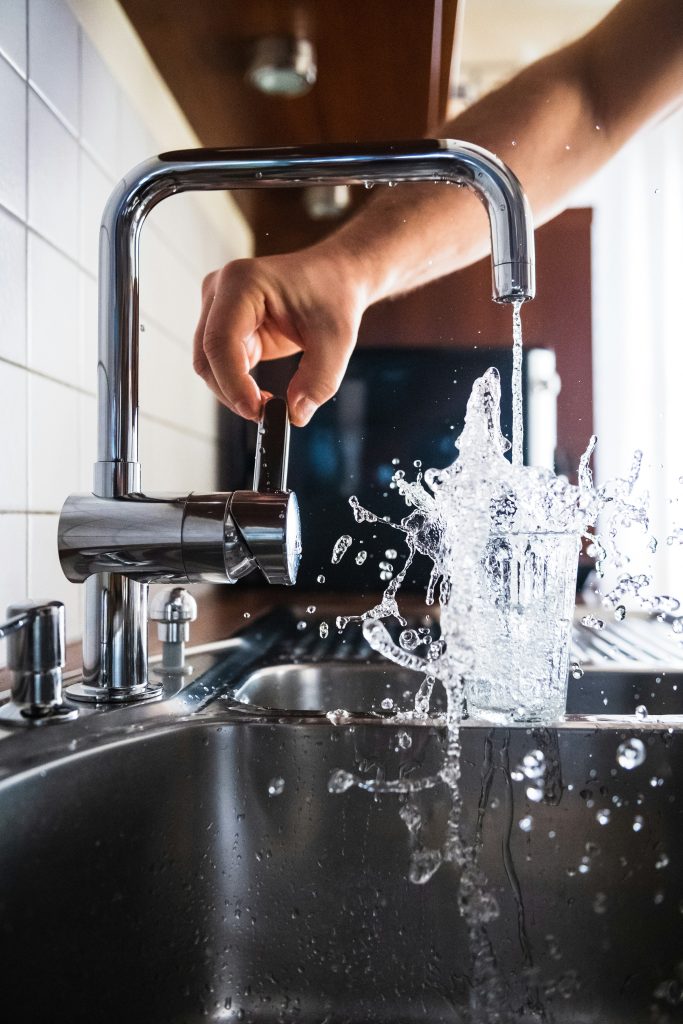
Part G water efficiency calculations for new residential developments, demonstrating that your design does not exceed 125 litres per person per day. Required for Building Control sign-off and increasingly a planning condition.
Part G compliance — transparent pricing
Thanks — we'll review your project and respond within one working day.
Water usage calculations predict the daily water consumption of a new dwelling based on the specification of its sanitary fittings — taps, showers, baths, toilets, and washing machines. Part G of the Building Regulations requires all new dwellings to demonstrate that their design water consumption does not exceed 125 litres per person per day, covering both wholesome (drinking quality) and non-wholesome water use.
As sustainability becomes a national priority and the UK population continues to grow, water efficiency in homes is gaining increasing significance. Many local authorities — particularly in London, the South East, and water-stressed regions — now enforce tighter limits, requiring consumption of no more than 110 litres per person per day as a planning condition.
Water calculations are typically prepared alongside your SAP assessment during the design stage. The result is a direct input into the SAP calculation and affects your overall compliance outcome. Getting the specification right at design stage avoids costly changes to sanitaryware later in the build programme.
We assess every sanitary fitting in your design, calculate the predicted daily consumption, and confirm Part G compliance — typically delivered alongside your SAP assessment.
Water calculations depend on knowing the specification of every sanitary fitting in the dwelling. The more detail you can provide at design stage, the more accurate the result — and the less risk of needing to change fittings later in the build.
Where specific products haven't been selected yet, we can calculate using typical flow rates for the type of fitting proposed. However, specifying low-flow fittings early gives you the best chance of meeting tighter local authority targets without compromising the design.
If your development includes rainwater harvesting or greywater recycling systems, these can significantly reduce the calculated consumption. We include these in the assessment where proposed.
If your local authority requires 110 L/p/d or you want to future-proof your design, these measures can reduce consumption without affecting the homeowner's experience.
Water calculation requirements and local authority limits vary by region. Our assessors know which target applies in each area and prepare calculations accordingly.
Looking for water usage calculations near you? Whether you're building a single dwelling in Worcestershire or a multi-plot development in Birmingham — we deliver Part G compliant results integrated with your SAP assessment. Call 01386 365145 or email us to get started.
A Part G water calculation predicts the daily water consumption of a new dwelling based on the specification of its sanitary fittings. It demonstrates compliance with the Building Regulations requirement that water consumption does not exceed 125 litres per person per day (or 110 L/p/d where the local authority has adopted the tighter optional requirement).
Water calculations are required for all new residential dwellings in England and Wales as part of Building Regulations compliance. They are typically prepared during the design stage alongside your SAP calculation. Some local authorities also require them as a planning condition, particularly in water-stressed areas.
125 litres per person per day is the standard Part G requirement that applies to all new dwellings. 110 litres per person per day is the tighter optional requirement that local authorities can adopt through their local plan — this is common in London, the South East, and other water-stressed regions. We confirm which limit applies to your site before calculating.
Baths typically have the biggest impact — a large bath can account for 30+ litres per person per day. Showers are the second biggest factor, followed by WCs. Specifying a smaller bath, a low-flow showerhead, and a dual-flush WC can reduce total consumption by 20–30% without affecting the homeowner's experience.
Yes, but any changes to sanitary fittings that affect flow rates or volumes will require the water calculation to be updated. If the new fittings increase consumption above the target, alternative specifications will be needed. This is why we recommend confirming fitting specifications at design stage.
The water usage result is a required input into the SAP calculation for new dwellings. The predicted hot water demand affects the SAP energy rating — so more efficient fittings not only satisfy Part G but can also improve your SAP score and EPC rating. When we handle both assessments, the results are fully coordinated.
Tell us about your project and we'll confirm the applicable water target, review your fitting specification, and deliver a Part G compliant result — typically within 3–5 working days.